Your Counseling Path. Online therapy with Alesia Dumas, LPC based in State College, serving clients across Pennsylvania and Delaware. Specializing in parenting, relationships, couples therapy, and grief.
FEEL MORE CONFIDENT AND CONNECTED—ON A PATH THAT’S FULLY YOUR OWN.
You learned early on that you’re only
“good”
if you’re happy.
-
You might’ve heard things like:
“If you want to cry, go to your room.”
“Don’t use that tone of voice with me.”
“Don’t cry or I’ll give you something to cry about.”
“It’s not that bad—there’s nothing to be upset about.”
Everyone else around you could be angry or sad or upset—but the minute you had feelings, you were the “bad kid.” You were told not to cry. Not to be angry. Not to feel. That something was wrong with you if you did.
You learned to be the “happy kid” or at least “the quiet kid” to feel loved… -
If you try to open up to your partner about something that hurts, you hear:
“You’re being too sensitive”
“You’re just having a bad day.”
“You’ve got so much to be grateful for—why are you upset?”
You’ve asked for help so you’re not carrying everything alone—but your feelings get dismissed, and nothing changes.
You want to feel close to your partner, but how can you when you can’t even show them the parts of you that others keep saying aren’t okay?
-
“They" think it's been long enough, now you hear:
"You need to move on."
"Just let it go."
"You can't let this bother you so much."
You’ve gotten through painful changes you never imagined having to face. But now? They don’t want to hear it anymore. You’re not important if you’re not taking care of them.
You keep trying to be seen—by taking care of what everyone else needs while sacrificing what you need. And now, you just feel isolated. Empty. Disconnected from the people who were supposed to care.
Whether it's parenting, partnership, or just life itself, it can feel like everyone else is allowed to feel what they feel—except you.
But here’s what I believe:
Your emotions are not the problem.
You’re not “too sensitive.” You’re not doing it wrong.
You’re someone who’s finally ready to slow down and start listening to yourself.
And in this space, that’s exactly what we’ll do—on your terms, in your time.
Because you are the expert on you, and whatever you feel is welcome here.
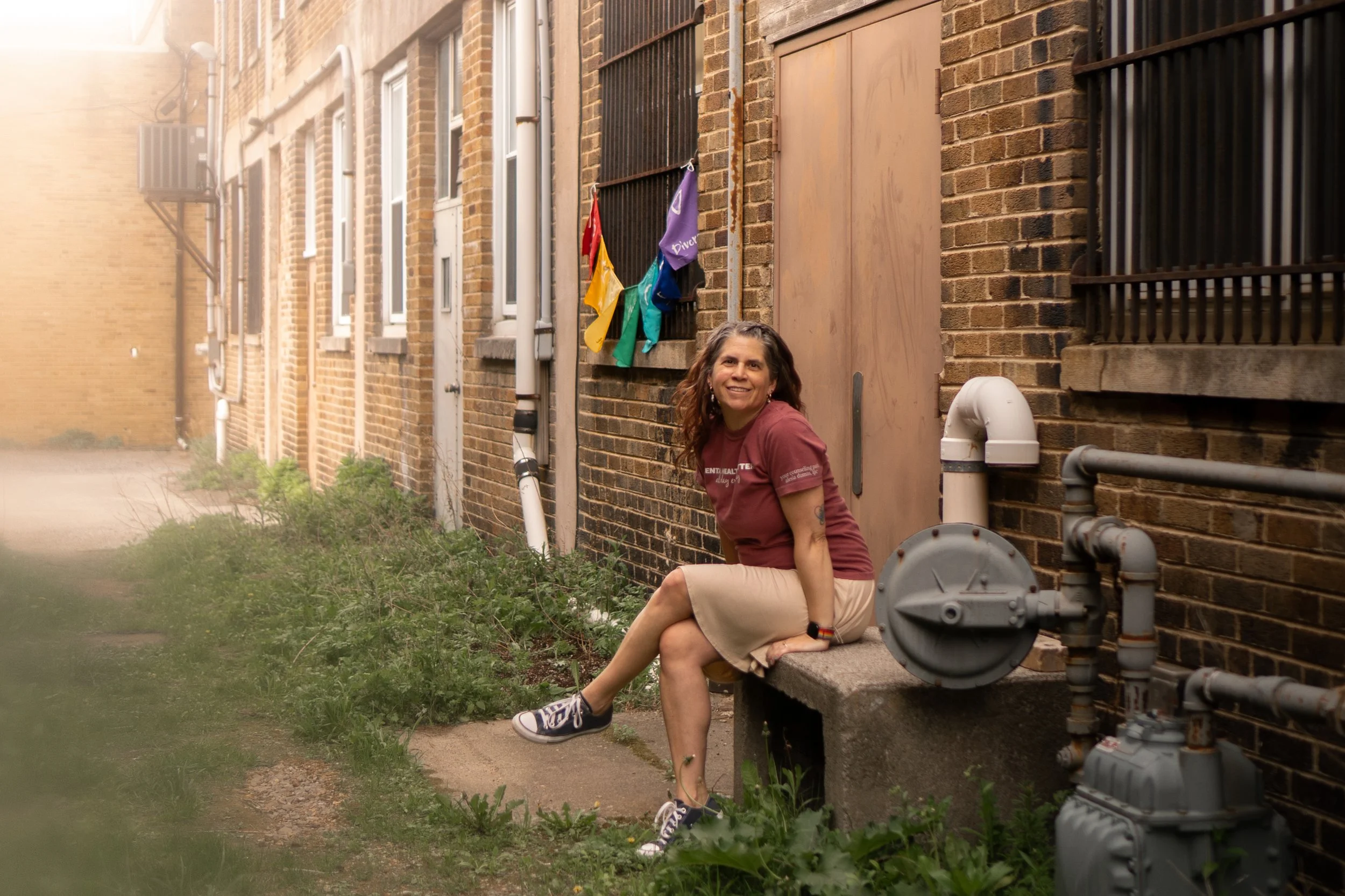
Hi, I’m Alesia Dumas, Licensed Professional Counselor. This is a space where every emotion is met with curiosity and compassion.

Because allowing yourself to feel is something worth honoring.
Before you can make real, lasting change, you first need to reconnect with what you’re feeling—and learn how to sit with the uncomfortable stuff, too.
I want to understand what your emotions feel like for you.
Together, we’ll create a space that’s safe enough for your body to feel again—even the emotions you’ve had to push away for years.
I’ll be honest with you. I’ll be kind. I’ll reflect back what I see with care and without judgment. Because everything you’re feeling—and the way you feel it—is valid.
And yes, we’ll celebrate the tears. Even when it feels hard. Even when it feels weird.
Your Counseling Path offers therapy for:-
You want to connect with your kids—but sometimes their big emotions feel too close to your own.
When anxiety or emotional overwhelm gets in the way, it’s hard to show up the way you want to.In therapy, I’ll help you get to know your emotions in a new way—so you can feel more comfortable, more confident, and more able to connect.
-
No matter how much you do, it never feels like enough.
You find yourself: people-pleasing, over-functioning, or caretaking—while your own needs stay buried underneath.Together, we’ll slow things down and explore where those patterns come from.
So you can begin to relate to your partner from a place of emotional intimacy, not just service or survival. -
You were taught that some emotions are “too much.”
That sadness should be hidden. That anger should be quiet. That it’s safer to say nothing at all. But now it’s hard to talk to each other about anything—even the good stuff.Therapy is a place to relearn emotional safety and connection with your partner. To talk about what you’ve really been feeling, and to do it at your own pace, without judgment.
Ready to take the next step on your counseling path?
Here’s how we’ll get started:
01
Schedule a free 15-minute consult
Reach out and we’ll find a time to connect. You can share what’s been going on and ask any questions you have about working together.
02
Tell me what’s been hard—and what you’re hoping will feel different
We’ll talk about what’s been difficult and what you’re wanting to change. I’ll listen closely, and together we’ll create a plan that’s tailored to you.
03
Begin reconnecting with your emotions and the people who matter most
Therapy will give you space to feel again—safely. As you grow more comfortable with your emotions, you’ll start feeling more confident, connected, and clear.

Let’s work together in the place you are the most comfortable
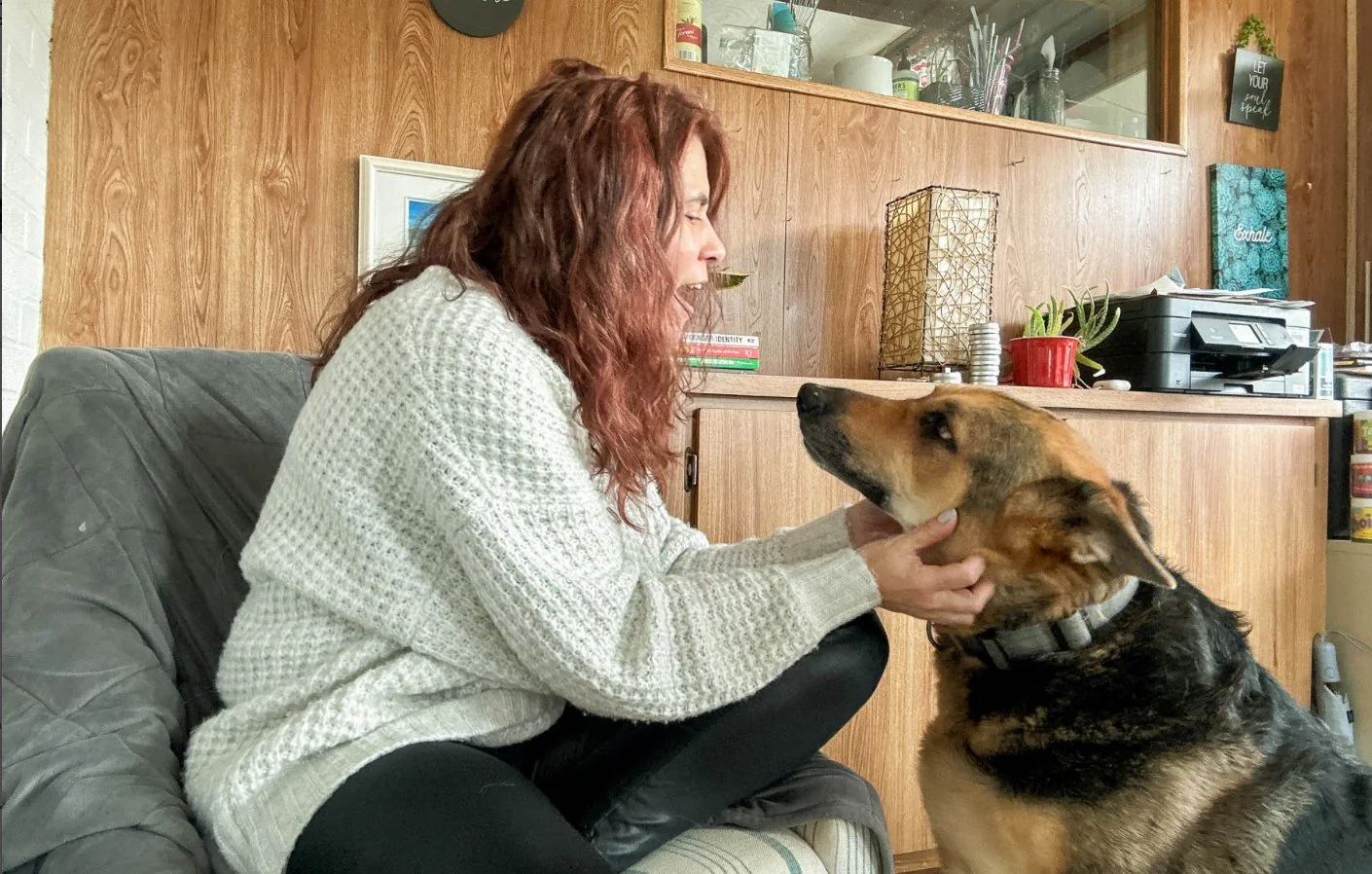
Online therapy might feel unfamiliar at first—but it can be just as powerful (and often more relaxed) than in-person sessions. All you need is a phone, tablet, or computer and a quiet spot that feels good to you. Pets are optional, but always welcome.
I use a secure video platform so we can meet wherever you feel safest—your home, your office, even your car (no driving though, please!).
If you’re curious how online therapy could work for you, let’s talk.